

HR Trends that are Shaping the field in 2025

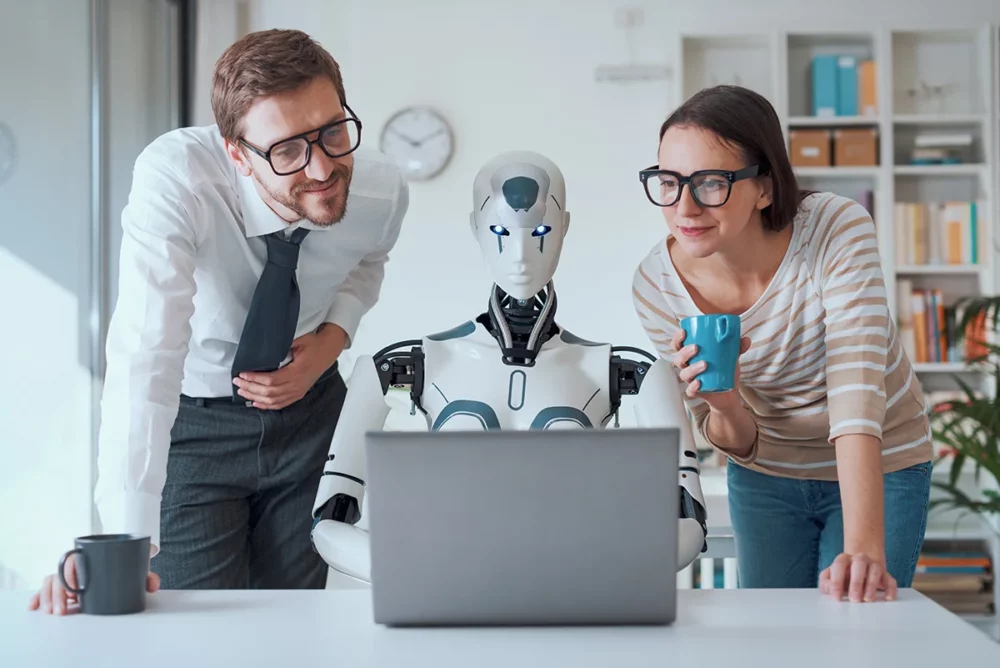
We’ve revisited our predictions from the start of the year and combined them with international HR trends that are likely to make their way into the local market.
In today’s rapidly evolving business landscape, HR leaders are leveraging HR research and data-informed strategies to navigate complex challenges, enhance workforce productivity and engagement, and ensure long-term organizational success. This data-centric approach allows HR professionals to anticipate future trends, tailor talent management practices, and implement innovative solutions that align with strategic goals. Through tactical HR and the effective use of data and technology, they are essential drivers of resilience and adaptability in modern organizations.
1) ESG Is Everywhere – and It Might Soon Knock on Your Door
You may already be tired of hearing about ESG (Environmental, Social, and Governance), but there’s no avoiding it. Companies simply have to deal with it. Why?
Starting next year, companies with more than 250 employees will be required to report on their responsible business practices. These disclosures won’t be subject to audits until 2027, but the data collection must begin as early as January 2026. Experts warn that even companies not directly subject to audits may still need to provide ESG data to business partners who are.
Therefore, ESG initiatives are increasingly being bolstered by structured HR programs, which provide guided implementation and project support to ensure successful integration and execution within organizations.
What does this mean for HR?
HR will play a critical role in communicating the importance of ESG initiatives and helping employees adapt to the changes. This will often involve rethinking established processes and gathering a wide range of data—likely to be met with some resistance from staff. HR professionals should be ready to justify these efforts, even if they’re unpopular, and ensure ESG is accounted for in their department’s budget planning.
2) Tech, Data, and AI
Digital transformation in companies is still progressing slowly, but AI, among other HR trends, has now entered the conversation in a big way. Unlike last year’s uncritical hype, we now understand that AI isn’t a miracle cure—it needs oversight from real human intelligence. For HR teams, this means encountering more tools that incorporate AI. The trend is to implement solutions that have already proven their value in real-world scenarios.
How can the AI trend help HR
AI adoption is underway as HR departments work with large volumes of data. AI-powered tools help identify patterns, automate routine tasks, and support data-driven decision-making. These technologies are also useful for text processing—such as transforming internal communications into various formats. More advanced use cases include resume screening, team fit predictions, employee sentiment analysis, and reducing turnover.
By automating repetitive tasks, AI significantly contributes to performance enablement and workplace efficiency, offering actionable insights that help refine strategy. AI HR assistants and HR automation allow professionals to concentrate on initiatives that drive long-term business impact.
The Rise of Generative AI and AI-Powered Tools
The rise of generative AI has revolutionized various industries, and its impact is increasingly evident in human resources. AI-powered hiring, predictive analytics, and intelligent screening tools are streamlining HR processes and enhancing decision-making.
These technologies help reduce time-to-hire and improve recruitment outcomes by analyzing vast datasets. Predictive analytics anticipates workforce trends, turnover, and performance metrics—allowing HR professionals to act proactively.
Beyond talent acquisition and performance reviews, AI-powered tools also support HR initiatives in employee well-being and mental health support, creating valuable employee benefits that contribute to retention and satisfaction. For example, AI chatbots can provide 24/7 mental health check-ins, sentiment analysis tools can flag signs of burnout, and AI security cameras with predictive capabilities can help prevent accidents in industrial settings by identifying unsafe behaviors early.

Repetitive tasks can be handled by AI for you.
3) Company Culture and Gen Z
The importance of company culture is now widely acknowledged, but as new generations enter the workforce, they bring different values and expectations. With Gen Z stepping in, some feared a cultural earthquake and changes in HR trends.
Reality check?
Millennials and Gen Z now make up more than half of the workforce—and the sky hasn’t fallen. But companies are being nudged to evolve for the better. Gen Z is less willing to tolerate outdated or illogical practices, both operational and cultural.
Over time, the dust is settling. The initial panic is over, and both employers and younger employees are learning how to work together. Gen Z employees are entering the workplace with more humility than expected, while employers are more open to adapting their workplace culture and operations.
For HR professionals, this means having strong foundations—clear processes that allow talent to thrive, and communication that supports trust across all generations. Understanding employee expectations and the psychological contract is crucial for reducing employee disconnect and building loyalty.
Embracing Diversity, Equity, and Inclusion, particularly through fostering gender diversity, is key to creating a culture that resonates with Gen Z values. It ensures all voices are heard and valued, promoting empathy, innovation, and a more inclusive world of work.
4) A New Focus on Talent and Value
We’re moving past the era where a university degree was a non-negotiable requirement. Today, employers are more interested in what a person has done, what they can do, and the experience they bring. Research shows that companies hiring based on skills rather than formal education see a 27% higher employee retention rate. To address the skills gap and strengthen their talent pipelines, organizations are turning to skills-based hiring and developing skills marketplaces. This shift is reaching the top levels too—CEOs, CFOs, and COOs are increasingly focused on human potential and treating employees as investments rather than costs.
Yes, numbers still matter, but the focus is shifting to more meaningful metrics—team performance, individual skill breadth, fair compensation, and employee well-being. Leadership teams are paying closer attention to early signs of potential turnover, employee stress, and overall satisfaction.
Developing Soft Skills and Emotional Intelligence
In today’s evolving workplace, soft skills and emotional intelligence are essential for evaluating and developing talent. While technical expertise remains valuable, the ability to communicate effectively, adapt to change, and work collaboratively is equally crucial.
Emotional intelligence allows individuals to manage their emotions and understand others’, fostering a more harmonious and productive work environment.
As organizations place greater emphasis on these skills, training programs are increasingly tailored to enhance interpersonal competencies. This not only supports individual growth but strengthens overall organizational performance through the creation of agile, resilient, and empathetic teams.
What does this trend mean for HR?
You’ll need a solid grasp of competency models, improve how you collect and act on feedback, and invest in tools that support performance evaluation and HR effectiveness. These investments drive stronger decision-making and help accelerate development within teams. Sticking to this HR trend should be very important to you.

5) HR as a Strategic Partner, Not Just a Resume Scanner
These trends make one thing clear: HR’s role is no longer just about reading CVs. With an expanded scope of responsibility, HR’s strategic influence is growing—requiring greater investment and deeper collaboration across departments.
Companies are realizing that real efficiency gains lie with the people they already have. HR is evolving from a recruitment-focused function to one that plays a vital role in employee engagement, internal communication, data management (including ESG), and leadership development.
Recruitment is also expanding—targeting underutilized talent pools such as people over 55, frontline workers, or working mothers returning from parental leave. AI-powered talent strategies further enhance these efforts by reducing talent gaps and supporting inclusive hiring.
For many companies, this means asking HR to develop measurable, long-term strategies. HR transformation is underway, and treating HR as a true strategic partner is essential. Otherwise, a weak HR department could become a costly liability—even by doing nothing.
Strategic Workforce Planning and the Rise of Talent Marketplaces
In recent years, there has been a marked shift toward strategic workforce planning as organizations increasingly recognize the pivotal role of human resources in achieving business impact.
HR departments are now focused on enhancing workforce productivity and performance management, ensuring employees are both engaged and effective. This shift has been further catalyzed by the rise of talent marketplaces, which offer new ways to deploy skills dynamically across projects and roles. By integrating performance management with talent strategies and recognition programs, HR can align workforce capabilities with business objectives, strengthening employee experience and organizational performance.
Current HR trends: Adapting to a Dynamic Landscape
In summary, the HR landscape in 2025 is shaped by ESG compliance, technological innovation, evolving employee expectations, and a renewed focus on talent and strategic value. These HR trends highlight the need for adaptability, data-driven decision-making, and cultural awareness.
To keep up, HR professionals must embrace new tools and mindsets while prioritizing employee experience, HR initiatives, and mental health support. The integration of HR technology, wellness programs, change management, and organizational culture is essential to designing resilient, people-centered HR strategies.
Leveraging workplace news, manager coaching, immersive content, and embedded HR can further enhance learning cultures and promote a future-ready, antifragile workforce equipped to thrive in the digital world.